購物車
購物車 幫助
幫助
 021-54845833/15800441009
中文名稱:兔抗CDH1多克隆抗體
英文名稱: Anti-CDH1 rabbit polyclonal antibody
別 名: UVO, CDHE, ECAD, LCAM, Arc-1, CD324
相關(guān)類別: 一抗
儲(chǔ) 存: 冷凍(-20℃)
宿 主: Rabbit
抗 原: CDH1
反應(yīng)種屬: Human, Mouse, Rat
標(biāo) 記 物: Unconjugate
克隆類型: rabbit polyclonal
技術(shù)規(guī)格
|
WB Recommended dilution: |
500-2000 |
|
WB Positive control: |
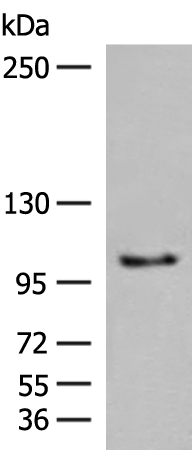
Mouse kidney tissue lysate |
|
WB Predicted band size: |
97 kDa |
|
IHC Recommend dilution: |
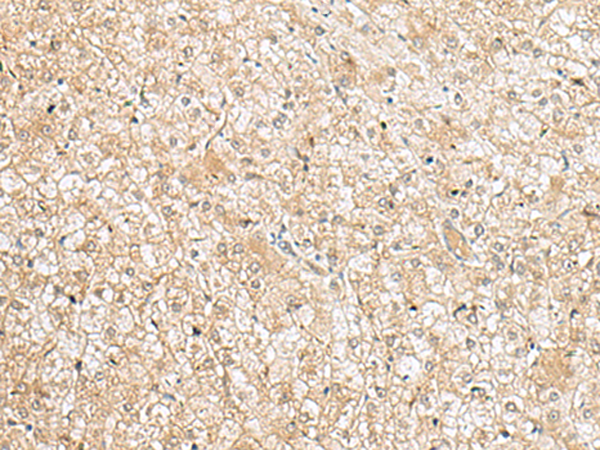
25-100 |
|
IHC positive control: |
Human liver cancer |
|
ELISA Recommended dilution: |
5000-10000 |
|
SwissProt: |
P12830 |
|
Synonyms: |
UVO; CDHE; ECAD; LCAM; Arc-1; BCDS1; CD324 |
|
Full name: |
cadherin 1 |
|
Immunogen: |
Synthetic peptide of human CDH1 |
|
Name of antibody: |
CDH1 |
|
Applications: |
ELISA, WB, IHC |
|
Background: |
This gene encodes a classical cadherin of the cadherin superfamily. Alternative splicing results in multiple transcript variants, at least one of which encodes a preproprotein that is proteolytically processed to generate the mature glycoprotein. This calcium-dependent cell-cell adhesion protein is comprised of five extracellular cadherin repeats, a transmembrane region and a highly conserved cytoplasmic tail. Mutations in this gene are correlated with gastric, breast, colorectal, thyroid and ovarian cancer. Loss of function of this gene is thought to contribute to cancer progression by increasing proliferation, invasion, and/or metastasis. The ectodomain of this protein mediates bacterial adhesion to mammalian cells and the cytoplasmic domain is required for internalization. This gene is present in a gene cluster with other members of the cadherin family on chromosome 16. |